
Burnham sets out direction of travel in conference speech
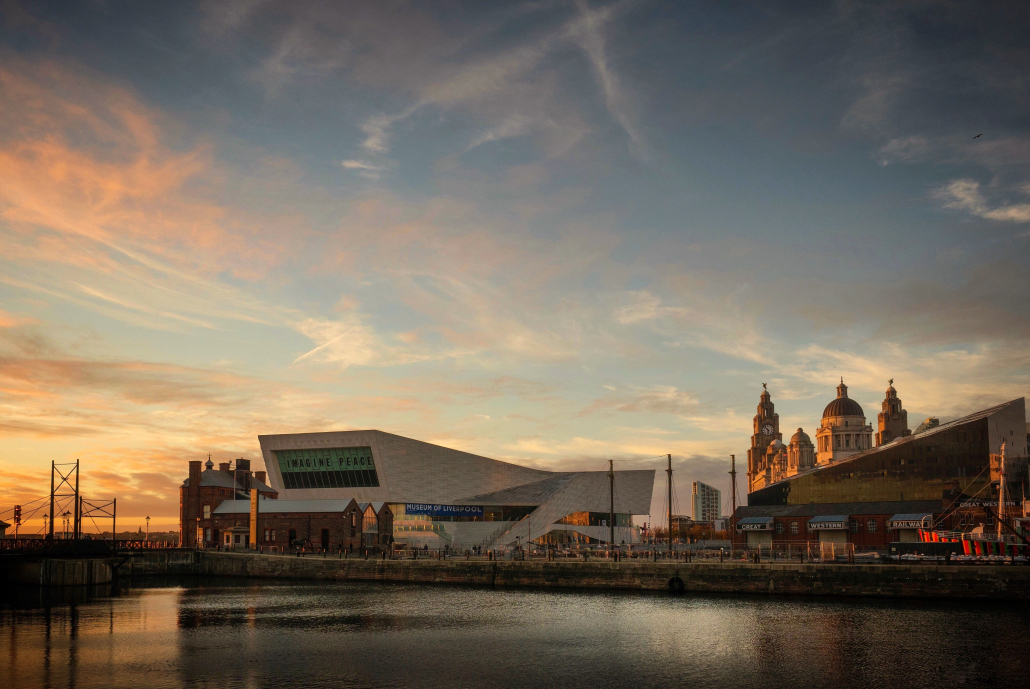
Ten weeks after becoming Prime Minister, Andy Burnham used his speech at the Labour Party Conference in Liverpool to begin sharing his vision for his time in office.
Stating that he is “ready to do the things my predecessors wouldn’t”, he put the creation of a national care service, ending the triple lock on state pension rises and forging closer ties with the European Union at the heart of his mission.
These and other announcements such as reforming the electoral system and greater state involvement in our utilities and train services will trigger intense political arguments and, in the case of closer integration with the EU, risk reopening old wounds.
His bigger plans will not happen overnight and will have to be included in Labour’s manifesto at the next General Election which doesn’t have to be held until summer 2029 but which many commentators believe will come sooner with Keir Starmer’s successor wanting to secure his own mandate.
The big question that will hang over the major policy plans unveiled by Mr Burnham yesterday is: “How will they be funded?”
The answer will almost certainly have to be a combination of spending cuts and tax rises, particularly with the UK’s continuing lack of economic growth.
The changes to the triple lock – with rises after 2030 linked to the higher of Consumer Price Index inflation or 2.5% – will help towards funding the new national care service but will only go so far.
Mr Burnham is constrained by his pledge to keep to the 2024 Labour manifesto commitment not to raise the rates of income tax, VAT or National Insurance during this Parliament.
This, combined with his declaration that he would adhere to the Starmer Government’s self-imposed fiscal rules around borrowing, means the levers available for the Prime Minister and Chancellor John Healey to pull will be limited.
The Budget on October 28th is the next key date in the diary when we will gain further insight into how the Burnham government intends to meet its financial aspirations.
It is likely that changes to the taxation of assets, land and capital gains will all potentially be on the table. This includes speculation that the threshold at which primary properties will be subject to the High Value Council Tax Surcharge (more commonly known as the ‘Mansion Tax’) may be reduced from the current £2million valuation to £1.5million.
Our regular client reviews typically cover any immediate requirements with a longer-term view and, as such, we will continue to support you with advice around making the best use of existing thresholds for capital gains, pension and ISA contributions, along with any other changes that may be required to ensure your financial planning is aligned with your future needs.
We will track announcements and shifts in Government policy emanating from the Budget at the end of this month, ready to make any appropriate recommendations.
In the meantime, please do get in touch if you would like to talk through anything with a member of the team.


Leave a Reply
Want to join the discussion?Feel free to contribute!